Walk past any campus or trading centre and you will see betting shops full of young people. Scroll social media and you will see "forex traders" posing with cars and cash. Many students wonder: could this be my way out of money problems?
Here is the honest truth about betting and forex trading for students.
Sports betting: what the law says
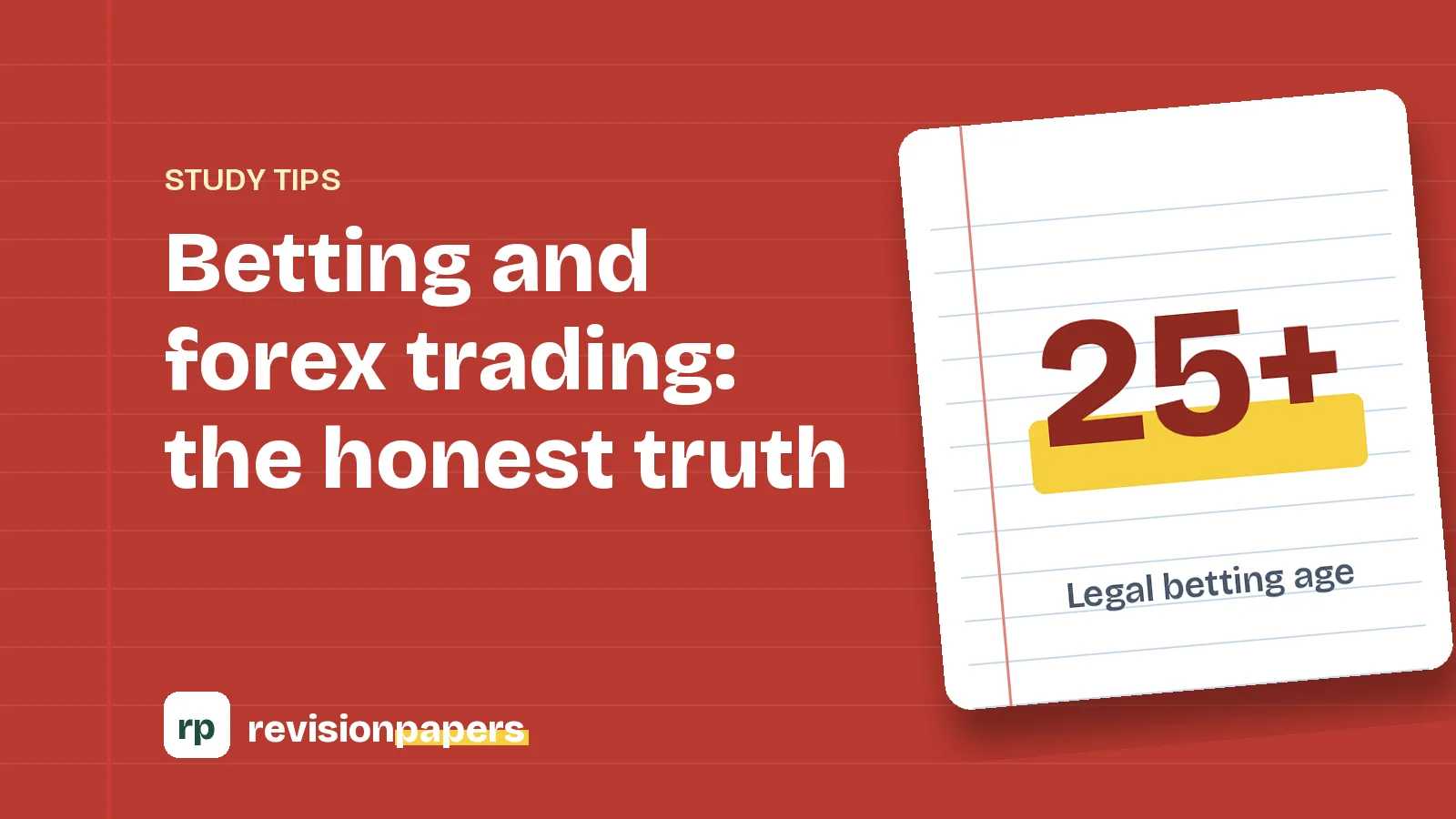
Under Uganda's Lotteries and Gaming Act, the minimum age for sports betting, casinos and bingo is 25 years. The National Lotteries and Gaming Regulatory Board has confirmed that only the National Lottery allows players from 18.
So for nearly all secondary school and most university students, sports betting is illegal. Betting companies are required to check age, and the regulator runs awareness campaigns in schools against underage betting.
Why betting hurts students
- The odds are designed so the company wins over time. That is how betting companies make profit. A few people win; most lose more than they win.
- It is addictive. The occasional win makes you feel you are "close" to the big one, so you keep playing to win back losses.
- It destroys education. Makerere University's Vice Chancellor has said at least 1,000 students drop out every year after losing their fees to sports betting.
- It damages relationships and trust, as students lie, borrow and sell property to keep betting.
Forex trading: legal, but very risky
Forex trading means betting on the movement of currency prices (for example dollars against euros), usually through an online broker, often using leverage, which multiplies both profits and losses.
Forex trading itself is not illegal. But for students it is a poor idea because:
- Most beginners lose money. Many international brokers are required to disclose that the majority of their retail clients' accounts lose money trading these products.
- Leverage can wipe out your account in minutes.
- It takes years of study, discipline and capital to trade professionally. It is not a quick side hustle.
- Many online brokers targeting Ugandans are not properly regulated, and some may manipulate prices or refuse withdrawals.
Forex scams and Ponzi schemes
The bigger danger is not trading itself but the scams that use the word "forex":
- "Send me money and I'll trade for you" schemes that promise fixed weekly or monthly returns. Real trading never guarantees returns.
- Ponzi and pyramid schemes that pay early members with money from new members, until they collapse. Ugandans have lost money in schemes such as Fidelity Forex Trading.
- Paid "signals" groups and expensive courses run by people whose real income is selling courses, not trading.
- Fake screenshots of profits, cars and holidays on social media.
Uganda's Capital Markets Authority (CMA) has repeatedly warned the public against dealing with unlicensed investment operators, many of whom operate online.
Better ways to grow your money as a student
- Learn a skill people pay for: design, typing and printing, coding, tutoring, repairs. See free digital skills courses.
- Start a small, real business with a product or service. See business ideas for students.
- Budget and save. Our guide on how to budget money at campus shows how.
- Learn about real investing once you earn income: savings accounts, SACCOs, and regulated unit trusts and government securities approved by the CMA or Bank of Uganda. Start small and understand the risks.
If betting or trading is already a problem
- Admit it to yourself and someone you trust: a parent, friend, counsellor or religious leader.
- Delete betting and trading apps and block the websites.
- Hand control of fees and upkeep to a parent or trusted person for a while.
- Fill your time: sports, clubs, a part-time job or a skill course.
- Get professional help through your school or university counselling service if you can't stop.
The bottom line
Betting is illegal for anyone under 25 and is designed for you to lose. Forex trading is legal but is a high-risk, high-skill activity full of scams, not a shortcut out of school fees problems. The surest way to a good income is still the boring one: education, real skills, hard work and careful saving.
Official sources: National Lotteries and Gaming Regulatory Board and Capital Markets Authority Uganda.